What Actually Affects Land Value: A Practical Breakdown
Land value depends on measurable factors — not guesswork. This guide breaks down the variables that determine what your property is worth.
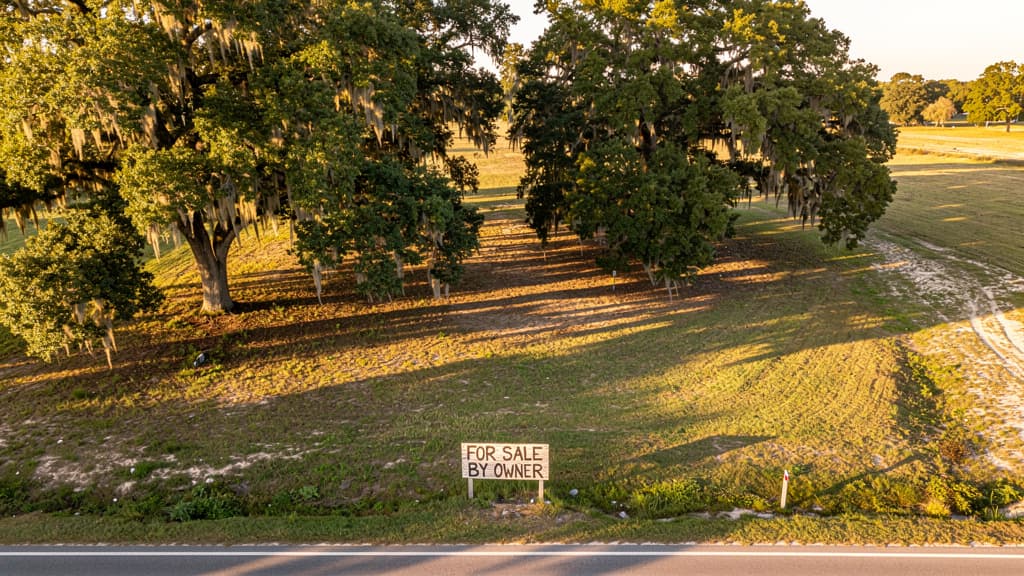
The primary factors affecting vacant land value are location (county and proximity to cities), access (road frontage, easements), utilities (water, electric, sewer availability), zoning, acreage, topography, and market conditions. Buildable lots with road access and utilities typically command higher prices per acre than landlocked or unimproved parcels.
Location and Proximity
Location remains the dominant factor in land valuation. A half-acre lot within a city's growth path may be worth more than 100 acres in a remote area. Key location considerations include:
- Distance to the nearest city or metro area — land within a 30-minute drive of a growing city typically appreciates faster
- County economics — population growth, new employers, infrastructure projects
- Neighboring land uses — residential subdivisions, commercial zones, or conservation areas nearby
Key Valuation Factors
Road access
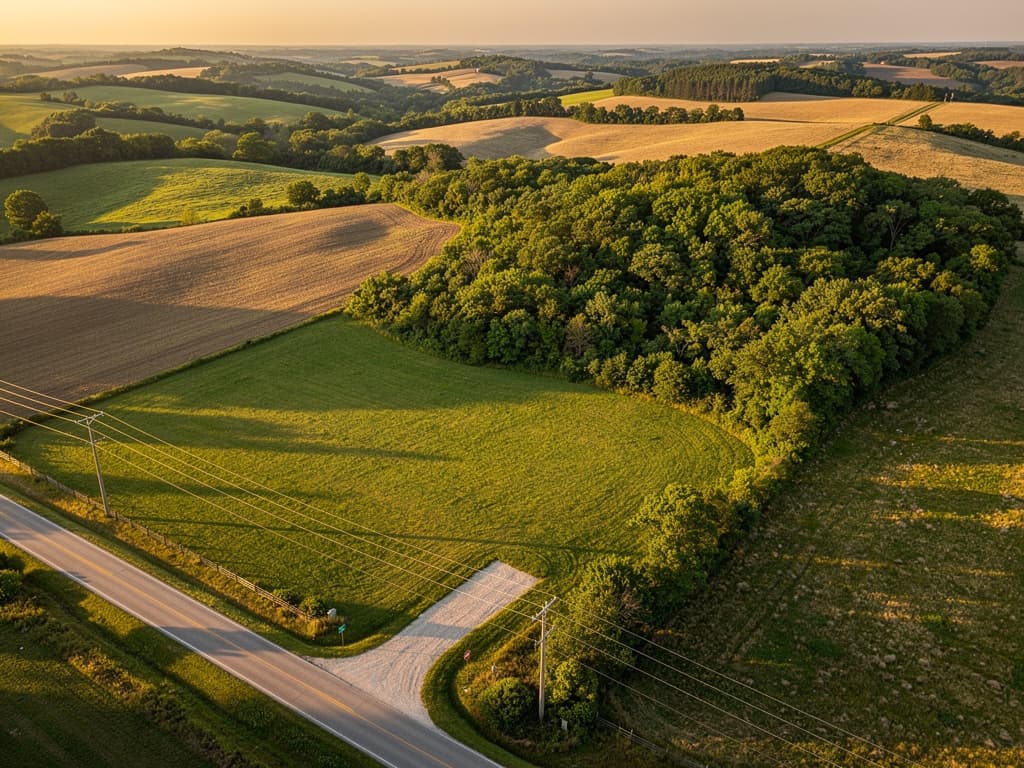
Properties with direct road frontage on a paved road are worth more than landlocked parcels or those accessed only by dirt roads. Legal easement documentation matters.
Utilities
Availability of electric, water (municipal or well-feasible), and sewer/septic capacity directly impacts buildability and value.
Zoning & permits
Residential zoning generally commands higher per-acre prices than agricultural. Check what the land is zoned for and what permits are required to build.
Topography & soil
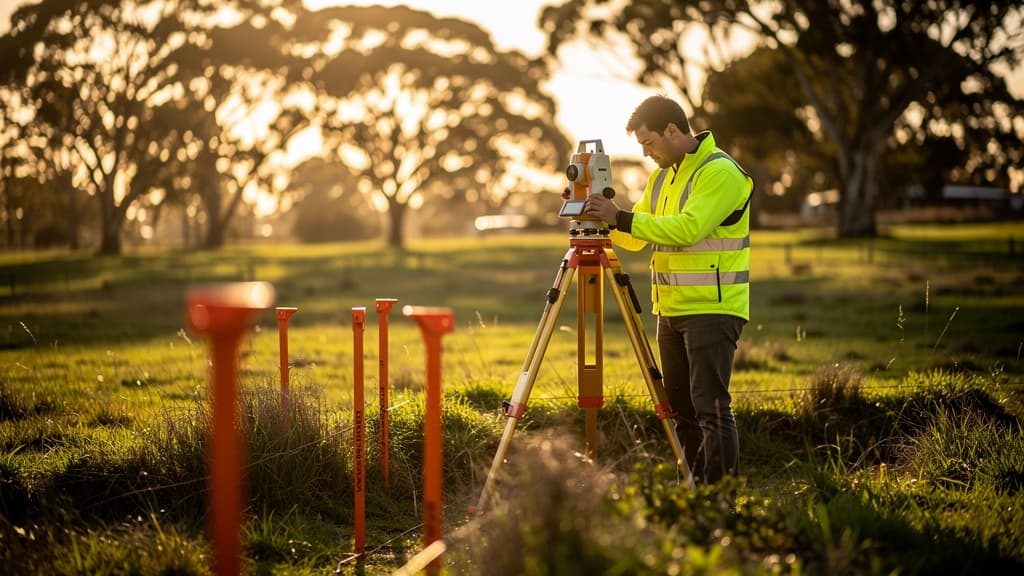
Flat, well-drained land is easier to build on. Wetlands, flood zones, steep slopes, or rocky soil reduce usable area and value.
Acreage
Price per acre typically decreases as parcel size increases. A 1-acre lot may sell for $15,000/acre while a 100-acre tract in the same area sells for $3,000/acre.
Market conditions
Interest rates, local housing demand, and seasonal patterns all influence land prices. Rural land sales typically peak in spring and early summer.
Relative Impact on Value
| Factor | Impact Level | How to Verify |
|---|---|---|
| Road access | High | County GIS maps, deed/easement review |
| Utilities at lot line | High | Call local utility providers |
| Zoning | High | County planning/zoning department |
| Flood zone status | Medium-High | FEMA flood maps (fema.gov) |
| Proximity to city | High | Google Maps distance measurement |
| Soil quality/perc test | Medium | County health department or soil survey |
| Tree cover | Low-Medium | Satellite imagery review |
| HOA restrictions | Medium | Property records and CC&Rs |
Wondering what your land is worth?
We research comparable sales and provide a fair offer based on real market data — at no cost and with no obligation.
Get startedFrequently asked questions
Does the tax-assessed value reflect market value?
Is landlocked land worthless?
Does clearing or improving land increase its value?
How do I find comparable sales for my land?
References
- FEMA Flood Map Service Center (accessed 2026-08-01)
- USDA Web Soil Survey (accessed 2026-08-01)